ultrasonic cool mist humidifier manual
Ultrasonic Cool Mist Humidifier Manual: A Comprehensive Guide
This manual provides essential guidance for optimal use‚ troubleshooting‚ and maintenance of your ultrasonic cool mist humidifier‚ ensuring efficient operation and longevity.
Ultrasonic cool mist humidifiers represent a popular choice for enhancing indoor air quality‚ offering a silent and energy-efficient method to increase humidity levels. Unlike warm mist humidifiers‚ these devices utilize ultrasonic vibrations to create a fine‚ cool mist without boiling water‚ making them safer‚ particularly around children and pets.
These humidifiers are exceptionally effective in combating dry air‚ alleviating symptoms associated with colds‚ flu‚ and allergies‚ such as dry skin‚ irritated sinuses‚ and sore throats. However‚ their effectiveness hinges on proper usage and consistent maintenance. Mineral buildup from tap water is a common issue‚ potentially clogging the ultrasonic plate and reducing mist output.
Therefore‚ understanding the intricacies of your humidifier – from setup and operation to cleaning and troubleshooting – is crucial for maximizing its benefits and ensuring its long-term performance. This guide will provide a comprehensive overview‚ empowering you to confidently operate and maintain your device.
How Ultrasonic Humidifiers Work
Ultrasonic humidifiers employ a ceramic diaphragm that vibrates at an incredibly high frequency – typically around 2.4 million times per second. This rapid vibration creates microscopic water droplets‚ forming a cool mist that is then propelled into the air by a fan. The process doesn’t rely on heat‚ making it energy-efficient and safe.
The water tank holds the water supply‚ which is agitated by the ultrasonic vibrations. Crucially‚ the quality of water significantly impacts performance; distilled water is recommended to minimize mineral buildup on the ultrasonic plate. Over time‚ mineral deposits can accumulate‚ hindering the vibration process and reducing mist output.
Regular cleaning of the ultrasonic plate is therefore essential; The fan then disperses this fine mist throughout the room‚ increasing humidity levels. Understanding this mechanism highlights the importance of maintaining a clean and functioning ultrasonic plate for optimal performance.
Safety Precautions
Prioritize safety when operating your ultrasonic cool mist humidifier. Always unplug the unit before cleaning or filling to prevent electrical shock. Never immerse the base in water‚ as this poses a serious hazard. Ensure the humidifier is placed on a flat‚ stable surface to avoid tipping and potential water damage.
Keep the humidifier out of reach of children and pets. Supervise its use around sensitive individuals‚ as increased humidity can promote mold growth. Use only clean‚ distilled or purified water to minimize mineral buildup and bacterial growth. Avoid using essential oils unless specifically recommended by the manufacturer‚ as they can damage the unit.
Regularly inspect the power cord for damage and discontinue use if any are found. Do not operate the humidifier with a damaged cord or plug. Following these precautions ensures safe and reliable operation.

Setting Up Your Humidifier
Proper setup is crucial for efficient performance; carefully unpack all components‚ choose an ideal location‚ and fill the tank with appropriate water.
Unboxing and Component Identification
Carefully unpack your new ultrasonic cool mist humidifier and verify all components are present. You should find the humidifier base‚ the water tank‚ and potentially a cleaning brush. Some models include a user manual‚ warranty information‚ or even a measuring cup for precise water filling.
Inspect each part for any shipping damage before proceeding. The base houses the ultrasonic plate‚ fan‚ and control panel. The water tank is designed to detach for easy filling and cleaning. Familiarize yourself with the location of the power button‚ mist level controls‚ and any indicator lights.
Retain the original packaging for potential warranty claims or future storage. A quick inventory ensures you have everything needed for a smooth setup and operation‚ maximizing your humidifier’s benefits from the start.
Proper Placement for Optimal Performance
To maximize your humidifier’s effectiveness‚ strategic placement is crucial. Position the unit on a flat‚ stable surface‚ ensuring ample space around it for proper airflow – avoid placing it directly on carpets or rugs. A minimum of two feet of clear space around the humidifier is recommended;
Avoid placing the humidifier near walls or furniture that could be damaged by moisture. Ensure the mist output isn’t directed towards electronics or sensitive materials. For optimal distribution‚ consider central locations within the room.

Restricting airflow at the bottom‚ like placing it on a towel‚ hinders performance. Maintaining adequate space allows for efficient mist dispersal‚ contributing to a more comfortable and consistently humidified environment throughout the room.
Filling the Water Tank – Distilled vs. Tap Water
Water quality significantly impacts humidifier performance and longevity. While tap water is convenient‚ it contains minerals that can lead to scale buildup‚ clogging the ultrasonic plate and reducing mist output. This buildup necessitates more frequent cleaning and can shorten the humidifier’s lifespan.
Manufacturers strongly recommend using distilled water. Distilled water is free of minerals‚ preventing scale and ensuring consistent‚ optimal mist production. Using distilled water minimizes white dust‚ a common issue with hard water.
If tap water is unavoidable‚ regular and thorough cleaning – including descaling – is essential. Always disconnect the humidifier before filling or cleaning. Never overfill the tank; adhere to the maximum fill line indicated.

Operating Your Humidifier
Proper operation ensures efficient humidification. Familiarize yourself with the power controls‚ mist level settings‚ timer functions‚ and any included night light features for optimal use.
Powering On and Off
Initiating operation is straightforward; simply plug the humidifier into a grounded electrical outlet. Most models feature a single power button‚ often indicated by a universal power symbol. Pressing this button once will typically activate the humidifier‚ initiating the misting process. A visual indicator‚ such as an LED light‚ confirms the unit is powered on.
To deactivate the humidifier‚ press the power button again. The LED indicator should turn off‚ signifying the unit is no longer operational. Always ensure the humidifier is completely powered off before attempting any maintenance or cleaning procedures. Avoid disconnecting the unit by pulling on the power cord; instead‚ grasp the plug itself. This prevents potential damage to the cord or the electrical outlet. Remember to unplug during extended periods of non-use for safety and energy conservation.
Mist Level Control
Adjusting the mist output allows you to customize humidity levels to your preference and room conditions. Many ultrasonic humidifiers offer multiple mist settings‚ typically controlled via dedicated buttons or a dial on the unit’s control panel. These settings often range from low‚ medium‚ to high‚ influencing the amount of cool mist generated.
Lower mist settings are ideal for smaller rooms or when a subtle increase in humidity is desired. Higher settings are suitable for larger spaces or drier environments. Experimenting with different levels helps you find the optimal balance for comfort. Reduced mist output can also help prevent condensation buildup. Regularly monitoring room humidity with a hygrometer is recommended to ensure appropriate levels are maintained‚ avoiding excessive dampness or dryness.
Timer Settings and Automatic Shut-Off
Utilizing the timer function provides convenient control over humidifier operation‚ allowing it to run for a specified duration before automatically turning off. Most models feature programmable timers‚ often ranging from 1 to 24 hours‚ selectable through the control panel. This feature conserves energy and prevents unnecessary operation when not needed.
The automatic shut-off feature is a crucial safety mechanism. It activates when the water tank is empty‚ immediately halting mist production to prevent damage to the unit and potential hazards. This protects the ultrasonic plate from running dry and ensures safe operation. Always ensure the humidifier is placed on a stable‚ level surface to prevent accidental spills and maintain optimal functionality of the automatic shut-off system.
Night Light Functionality
Many ultrasonic cool mist humidifiers incorporate a built-in night light‚ offering a subtle ambient glow beneficial for bedrooms or nurseries. This feature often operates independently of the humidifier’s misting function‚ allowing it to remain illuminated even when the unit is off or in standby mode. The night light typically utilizes energy-efficient LED technology‚ providing a soft‚ calming illumination.
Control options for the night light vary between models. Some offer simple on/off functionality‚ while others provide adjustable brightness levels or color options. This customization allows users to tailor the night light to their preferences and create a more comfortable environment. Regularly check the manufacturer’s instructions for specific details regarding the night light’s operation and any available settings.
Maintenance and Cleaning
Regular upkeep is crucial for maintaining peak performance and preventing mineral buildup‚ ensuring your humidifier delivers clean‚ healthy mist consistently and safely.
Daily Maintenance
To ensure optimal performance and hygiene‚ incorporate these simple steps into your daily routine. Each day‚ empty any remaining water from the tank and wipe it dry with a clean‚ soft cloth. This prevents stagnant water and potential bacterial growth.
Briefly inspect the ultrasonic plate for any visible mineral deposits; while a deep clean is weekly‚ addressing early buildup is beneficial. Ensure the exterior of the humidifier is wiped down to remove dust and fingerprints‚ maintaining a clean appearance.
Regularly check the water level indicator to understand your humidifier’s consumption patterns. A quick visual inspection of the fan intake area will help identify any obstructions that might hinder airflow. Consistent daily maintenance extends the life of your humidifier and promotes healthier air quality.
Weekly Deep Cleaning – Removing Mineral Buildup
Preventing mineral buildup is crucial for maintaining your humidifier’s efficiency. Once a week‚ thoroughly clean the water tank using a mild cleaning solution and warm water. Rinse completely to remove any residue. Inspect the ultrasonic plate for visible mineral deposits – these significantly reduce mist output.
To remove buildup‚ utilize a descaling solution (vinegar is a common alternative) following the manufacturer’s instructions. Allow the solution to sit in the tank for the recommended time‚ then rinse thoroughly.
Pay attention to all crevices and hard-to-reach areas. A clean humidifier operates more effectively and delivers healthier‚ purified air. Consistent weekly deep cleaning prevents clogs and extends the lifespan of your device‚ ensuring optimal performance.
Cleaning the Ultrasonic Plate
The ultrasonic plate is the heart of your cool mist humidifier‚ responsible for creating the mist. Regular cleaning is vital to prevent mineral deposits and debris from hindering its performance. Gently remove the plate according to your humidifier’s instructions – avoid using abrasive materials that could damage it.
Inspect the plate for any visible buildup. Use a soft cloth or brush dampened with a mild cleaning solution or diluted vinegar to carefully wipe away deposits. Ensure all residue is removed‚ as even small amounts can impact mist output.
Rinse the plate thoroughly with clean water before reinstalling. A clean ultrasonic plate ensures optimal mist production and maintains the humidifier’s efficiency‚ delivering consistently purified air.
Descaling Procedures
Mineral buildup‚ or scaling‚ is a common issue with ultrasonic humidifiers‚ especially when using tap water. Descaling removes these deposits‚ restoring optimal performance and extending the humidifier’s lifespan. Begin by disconnecting the humidifier and emptying any remaining water.
Prepare a descaling solution using equal parts white vinegar and water. Pour the solution into the water tank‚ ensuring the ultrasonic plate is submerged. Allow the solution to sit for 30-60 minutes‚ enabling it to dissolve the mineral deposits.
After soaking‚ empty the tank and rinse it thoroughly with clean water multiple times to remove any residual vinegar. Repeat the process if significant scaling remains. Regular descaling‚ ideally every 1-3 months‚ prevents clogs and ensures efficient mist production.

Troubleshooting Common Issues
Addressing problems promptly ensures continued humidifier function; common concerns include mist production‚ noise‚ leaks‚ and fan malfunctions‚ requiring careful diagnosis and solutions.
Humidifier Not Producing Mist
If your humidifier isn’t emitting mist‚ several factors could be at play. First‚ ensure the water tank is adequately filled; an empty tank is the most common cause. Next‚ inspect the ultrasonic plate – mineral deposits or debris can quickly clog it‚ hindering mist production. Thorough cleaning‚ as recommended‚ is crucial.
Consider the water source; distilled water is preferred to minimize mineral buildup. If using tap water‚ frequent cleaning is essential. Verify the humidifier is positioned correctly – a flat‚ unobstructed surface allows for proper airflow. A restricted airflow‚ like placement on a towel‚ can stop misting.
Check the fan speed setting within the app (if applicable) to ensure it’s not set to zero or a very low level. Finally‚ examine the unit for any visible obstructions or damage that might impede operation. Regular maintenance prevents these issues.
Low Mist Output
Experiencing reduced mist output? This often indicates a buildup of mineral deposits on the ultrasonic plate or filter. Regular cleaning is paramount to maintain optimal performance. Even with frequent use‚ mineral accumulation can restrict the humidifier’s ability to generate a sufficient mist volume.
Assess the water quality – tap water contains minerals that contribute to this buildup. Switching to distilled water significantly reduces the frequency of cleaning needed. Ensure the fan is functioning correctly‚ as it distributes the mist; a weak fan results in lower output.
Inspect the unit for any obstructions blocking airflow. Confirm the mist level setting isn’t set to its lowest value. A thorough cleaning of both the tank and base will eliminate the build-up‚ restoring the humidifier’s misting capacity.
Strange Noises During Operation
Unusual sounds emanating from your humidifier often signal a simple fix. Ensure the unit is placed on a perfectly flat‚ stable surface; vibrations can amplify noises if the base isn’t level. Avoid placing the humidifier on towels or rugs‚ as these can restrict airflow and cause rattling.
Check for obstructions within the water tank or near the fan. Low water levels can also create gurgling or sputtering sounds – promptly refill the tank. Inspect the fan blades for any debris or damage that might be causing friction.
If the noise persists‚ it could indicate a potential issue with the internal components. Discontinue use and contact customer support for assistance. Proper placement and regular maintenance are key to quiet operation.
Humidifier Leaking Water
Water leakage is a common concern‚ but often easily addressed. First‚ verify the water tank is correctly seated and securely locked into the base; an improper fit is a frequent cause. Inspect the tank for cracks or damage‚ and replace it if necessary.
Ensure you haven’t overfilled the tank‚ exceeding the maximum water level indicated. Condensation can sometimes appear‚ especially in humid environments – this is normal‚ but excessive moisture suggests a leak. Check the internal tubing and connections for any signs of wear or detachment.
If leakage continues‚ discontinue use and contact customer support. Regular cleaning and proper assembly are crucial to prevent water damage.
Fan Not Working
If your humidifier’s fan isn’t operating‚ begin by confirming the unit is properly plugged into a functioning power outlet. Check the power cord for any visible damage‚ such as fraying or cuts‚ and replace if needed. Ensure the humidifier is switched ‘on’ and the fan speed is set to a level above ‘off’ within the device settings or app.

Obstructions can prevent fan operation; carefully inspect the air intake and exhaust vents for dust‚ debris‚ or blockages. Move the humidifier to a flat‚ stable surface‚ ensuring nothing restricts airflow at the base‚ as restricted airflow can trigger safety shutoffs.
If the issue persists‚ contact customer support for assistance‚ as internal fan motor issues may require professional repair.

Advanced Features & Settings
Explore smart home integration options‚ adjustable fan speeds for customized comfort‚ and understand the functionality of the water level indicator for optimal performance.
Smart Home Integration (if applicable)
If your humidifier model supports smart home connectivity‚ you can control it remotely via compatible platforms like Google Assistant or Amazon Alexa. This allows for convenient operation through voice commands or a dedicated mobile application. Ensure your humidifier is connected to a stable Wi-Fi network for seamless integration.
Within the associated app‚ you’ll typically find options to power the humidifier on/off‚ adjust mist levels‚ set timers‚ and monitor the water level—all from your smartphone or tablet. Some systems also offer scheduling features‚ enabling you to automate operation based on your daily routines. Check the VOCOlinc app settings for fan speed options‚ ensuring proper airflow isn’t restricted. Regularly update the humidifier’s firmware through the app to benefit from the latest features and security enhancements.
Adjusting Fan Speed
Many ultrasonic cool mist humidifiers offer adjustable fan speeds‚ allowing you to customize mist output and noise levels. Lower fan speeds produce a gentler mist and quieter operation‚ ideal for bedrooms or nighttime use. Higher speeds deliver a more substantial mist output‚ suitable for larger rooms or when rapid humidification is desired.
Refer to your humidifier’s control panel or mobile app to locate the fan speed settings. Typically‚ these are represented by numerical levels (e.g.‚ 1-5) or descriptive terms (e.g.‚ Low‚ Medium‚ High). Ensure the humidifier is placed on a flat‚ stable surface‚ unobstructed by towels or other materials that could restrict airflow at the bottom‚ as noted by user experiences. Experiment with different fan speeds to find the optimal balance between mist output‚ noise level‚ and energy consumption for your specific needs and environment.
Water Level Indicator Functionality
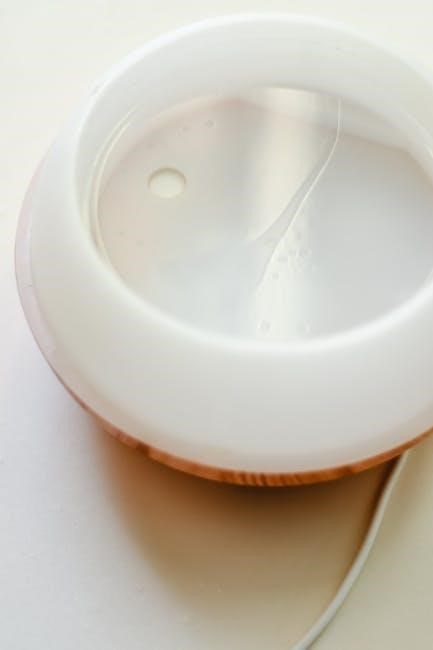
Your ultrasonic cool mist humidifier is equipped with a water level indicator‚ a crucial feature for safe and efficient operation. This indicator visually displays the amount of water remaining in the tank‚ preventing damage to the unit when the water level is critically low. Most models utilize a transparent window or an illuminated light system to signify the water level.
Regularly check the water level indicator before and during operation. When the indicator signals a low water level‚ immediately refill the tank with fresh water to avoid overheating and potential malfunction. Never operate the humidifier with an empty tank. Some advanced models may automatically shut off when the water level is low‚ providing an added layer of safety. Consistent monitoring ensures optimal performance and extends the lifespan of your humidifier.

Warranty Information
Our humidifiers are covered by a one-year limited warranty protecting against manufacturing defects‚ ensuring customer satisfaction and product reliability for peace of mind.
Contacting Customer Support
For immediate assistance or to address any concerns regarding your ultrasonic cool mist humidifier‚ our dedicated customer support team is readily available through multiple channels. You can reach us via email at support@humidifierhelp.com‚ detailing your issue and including your humidifier’s model number and purchase date for faster service.
Alternatively‚ you may contact us by phone at 1-800-HUMIDIFY (1-800-486-4343) during our business hours‚ Monday through Friday‚ 9:00 AM to 5:00 PM EST. Please have your product information available when calling.
We also maintain a comprehensive FAQ section on our website‚ humidifierhelp.com/faq‚ which addresses many common questions and troubleshooting steps. For warranty claims‚ please visit humidifierhelp.com/warranty and follow the instructions provided. Our team is committed to providing prompt and helpful support to ensure your complete satisfaction with our products.