japan walking tours self-guided

Japan offers a unique travel experience, best discovered on foot! Explore ancient paths, vibrant culture, and stunning landscapes at your own pace, creating unforgettable memories․
Self-guided walking tours allow immersive exploration, from pilgrim routes to wilderness trails, Zen gardens, onsen baths, historic temples, and traditional tea houses․
Why Choose a Walking Tour?
Immersive Cultural Experience: Walking allows a deeper connection with Japan’s culture than faster modes of transport․ You’ll encounter local life, hidden gems, and the subtle beauty often missed from buses or trains;
Flexibility & Freedom: Self-guided tours empower you to set your own pace, explore what interests you most, and linger longer in places you love․ No rigid schedules or group compromises!
Physical & Mental Wellbeing: Walking is a fantastic way to stay active while traveling․ The serene landscapes and mindful movement contribute to a sense of calm and rejuvenation․
Sustainable Travel: Choosing to walk minimizes your environmental impact, supporting responsible tourism and preserving Japan’s natural beauty for future generations․ It’s a conscious way to explore․
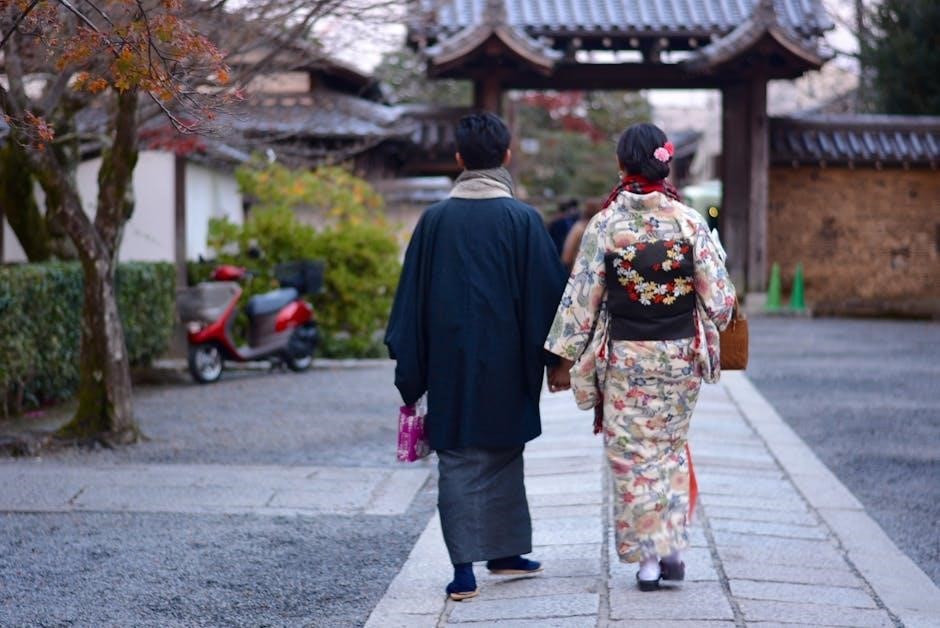
Unique Perspectives: Following historic trails like the Nakasendo or Kumano Kodo offers a glimpse into Japan’s past, revealing stories and traditions passed down through centuries․
Benefits of Self-Guided Tours
Cost-Effectiveness: Self-guided tours often prove more economical than organized group tours, allowing you to control expenses related to accommodation, meals, and activities․
Personalized Itineraries: Tailor your journey to your specific interests and fitness level․ Focus on history, nature, or spiritual exploration – the choice is entirely yours!
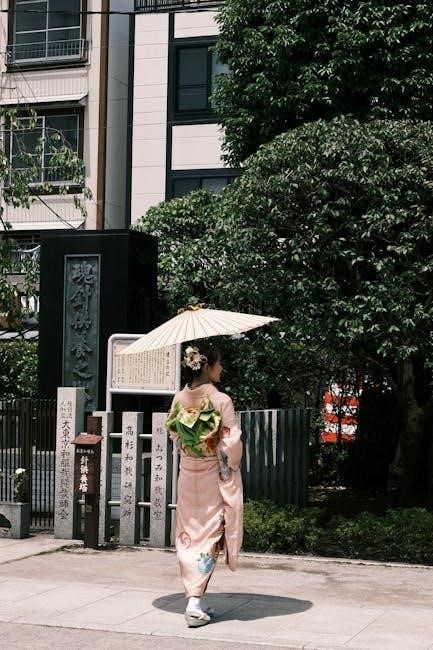
Enhanced Independence: Embrace the challenge and reward of navigating independently, fostering self-reliance and a sense of accomplishment․
Deeper Connection with Locals: Without the constraints of a group, you’re more likely to interact with local people, gaining authentic insights and enriching your experience;
Access to Remote Areas: Walking allows access to areas inaccessible by larger vehicles, unveiling hidden landscapes and tranquil escapes․ Discover Japan’s unspoiled beauty!
Utilizing Resources: Modern tools like online maps, GPS tracks, and detailed guidebooks simplify planning and navigation, ensuring a smooth and enjoyable adventure․

Popular Walking Tour Regions in Japan
Japan boasts diverse regions perfect for walking tours! Explore Kyoto’s history, the Nakasendo Trail’s Edo-period charm, Kumano Kodo’s spirituality, and Hokkaido’s wild nature․
Kyoto: Ancient Capital Exploration
Kyoto, the former imperial capital, is a treasure trove for walkers, offering a captivating blend of history, culture, and natural beauty․ Self-guided tours allow you to delve into the heart of traditional Japan at your own rhythm․
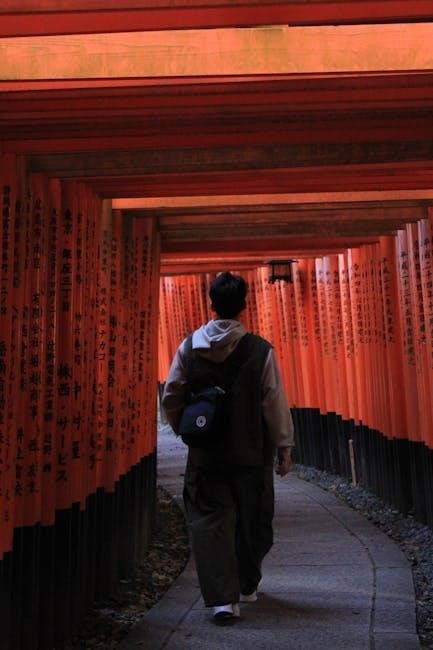
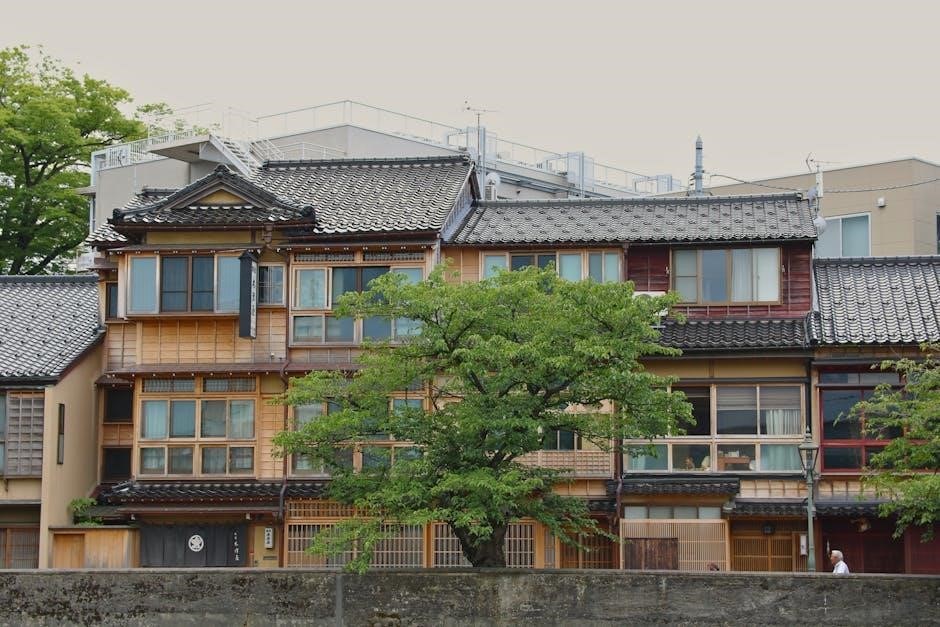
Explore the enchanting Gion District, famed for its preserved wooden machiya houses and the elusive geishas․ Wander through its narrow streets, hoping to catch a glimpse of these iconic figures, and immerse yourself in the atmosphere of old Kyoto․
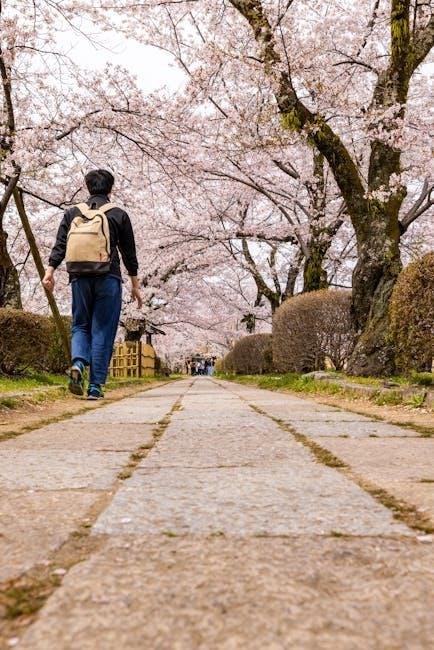
The Philosopher’s Path provides a serene escape, following a canal lined with cherry trees․ This picturesque route leads to numerous temples and shrines, offering moments of tranquility and spiritual reflection․ Discover hidden gems and enjoy the peaceful ambiance of this beloved Kyoto walk․
Kyoto’s walkable streets and abundance of cultural sites make it an ideal destination for independent exploration, promising an unforgettable journey through Japan’s rich heritage․
Gion District & Geisha Spotting
Gion, Kyoto’s most famous geisha district, presents a unique walking experience steeped in tradition and mystique․ A self-guided tour allows for intimate exploration of its preserved wooden machiya houses and atmospheric streets․
Begin your walk along Hanamikoji Street, the main thoroughfare, known for its exclusive teahouses (ochaya) and restaurants․ Observe the traditional architecture and imagine the lives of geishas who once graced these establishments․
While spotting a geisha requires patience and respect, the best times are typically in the early evening as they head to appointments․ Remember to maintain a respectful distance and refrain from intrusive photography․
Explore the side alleys and discover hidden shrines and traditional shops․ Immerse yourself in the ambiance of old Kyoto, and appreciate the district’s enduring cultural significance․ A Gion walk is a journey back in time․
Philosopher’s Path & Temples
Kyoto’s Philosopher’s Path, a serene canal-side walk, offers a tranquil escape and a chance for contemplation․ Named after the philosopher Nishida Kitaro, who reportedly practiced meditation while walking this route, it’s perfect for a self-guided exploration․
The path follows a cherry tree-lined canal, creating a breathtaking spectacle during spring blossom season․ However, it’s beautiful year-round, offering a peaceful atmosphere and stunning natural scenery․
Along the way, discover numerous temples and shrines, including Ginkaku-ji (Silver Pavilion) and Honen-in Temple․ Each offers unique architectural styles and serene gardens, inviting quiet reflection․
Allow ample time to explore these sacred sites and soak in the spiritual ambiance․ The Philosopher’s Path is a journey for the soul, blending natural beauty with cultural richness, ideal for a mindful walk․
Nakasendo Trail: Historical Post Road
The Nakasendo Trail, a former Edo-period highway connecting Kyoto and Edo (Tokyo), presents a captivating self-guided walking experience․ This historic route offers a glimpse into Japan’s feudal past, traversing mountainous terrain and charming post towns․
Unlike modern highways, the Nakasendo prioritized safety and scenic beauty, winding through forests and offering stunning views․ Today, well-preserved sections allow hikers to retrace the steps of merchants, samurai, and pilgrims․
Several tour operators, like Oku Japan, offer self-guided itineraries focusing on specific sections, such as the Minoji route․ These tours provide detailed maps, accommodation arrangements, and luggage transfer services․
Walking the Nakasendo is a journey back in time, offering a unique perspective on Japan’s history and culture․ It’s a rewarding experience for those seeking a blend of nature, history, and tranquility․

Magome & Tsumago Villages
Magome and Tsumago are two beautifully preserved post towns along the Nakasendo Trail, offering a quintessential Edo-period experience․ These villages, meticulously restored, showcase traditional wooden architecture and a peaceful atmosphere, free from modern intrusions like power lines and cars during peak hours․
The 8km walk between Magome and Tsumago is a popular section of the Nakasendo, easily manageable for most fitness levels․ The path gently climbs through forested hills, providing scenic views and a sense of stepping back in time․
Visitors can explore the historic buildings, browse local crafts, and enjoy traditional meals in these charming villages․ Accommodation options range from traditional ryokans to cozy minshuku․
Walking between Magome and Tsumago provides an immersive experience of Japan’s historical past, offering a tangible connection to the travelers who once frequented this vital route․
Preserved Edo-Period Architecture
The Nakasendo Trail is renowned for its remarkably well-preserved Edo-period architecture, particularly within the post towns like Magome and Tsumago․ These towns offer a unique glimpse into Japan’s feudal past, showcasing the aesthetic and functional design of the era․
Walking through these villages feels like stepping back in time, with meticulously restored wooden buildings lining the streets․ Traditional features include latticed windows, overhanging eaves, and stone-paved pathways;
The architecture reflects the practical needs of travelers and merchants, with buildings serving as inns, teahouses, and shops․ Many structures retain their original details, offering insights into daily life during the Edo period․
This preservation effort allows visitors to appreciate the craftsmanship and cultural significance of this historical period, making the Nakasendo Trail a truly immersive and educational experience․
Kumano Kodo Pilgrimage Trails
The Kumano Kodo represents a network of ancient pilgrimage trails winding through the Kii Peninsula․ For centuries, these paths have been walked by emperors, samurai, and commoners seeking spiritual enlightenment and connection with nature․
These trails offer a profound cultural experience, steeped in Shinto and Buddhist traditions․ Walking the Kumano Kodo isn’t just a hike; it’s a journey into the heart of Japanese spirituality․
Several routes exist, varying in difficulty and length, with the Nakahechi route being the most popular, known as the Imperial Route․ Along the way, you’ll encounter sacred shrines, serene forests, and rejuvenating onsen (hot springs)․
The trails’ spiritual significance is palpable, fostering a sense of peace and introspection․ The Kumano Kodo provides a unique opportunity to connect with Japan’s rich history and natural beauty․
Nakahechi Route: The Imperial Route
The Nakahechi Route is the most historically significant and popular section of the Kumano Kodo pilgrimage trails․ Historically traversed by emperors and nobles, it offers a glimpse into Japan’s imperial past and spiritual heritage․
This route typically takes around 5-7 days to complete, covering approximately 70 kilometers․ It’s considered moderately challenging, with varied terrain including forested paths, stone steps, and riverside walks․
Key highlights include the Kumano Hongu Taisha Grand Shrine, Kumano Hayatama Taisha Shrine, and Kumano Nachi Taisha Shrine – three of the Kumano Sanzan shrines․
Along the way, you’ll encounter charming villages, traditional teahouses, and opportunities to experience the local culture․ The Nakahechi Route provides a deeply rewarding and immersive pilgrimage experience, blending history, nature, and spirituality․
Spiritual Significance & Onsen
The Kumano Kodo isn’t merely a hiking trail; it’s a deeply spiritual journey․ For over 1,000 years, pilgrims have walked these paths seeking enlightenment and connection with the divine․ The trails are imbued with Shinto and Buddhist beliefs, fostering a sense of reverence and tranquility․
Numerous shrines and temples dot the routes, offering opportunities for prayer and reflection․ The act of walking itself is considered a form of meditation, encouraging mindfulness and inner peace․
Adding to the experience, the region is renowned for its onsen (hot springs)․ Soaking in these natural thermal waters is a traditional practice believed to have healing properties, both physical and spiritual․
After a day of walking, relaxing in an onsen provides the perfect opportunity to rejuvenate your body and soul, enhancing the overall pilgrimage experience․
Hokkaido: Wilderness & Nature
Hokkaido, Japan’s northernmost island, presents a dramatically different landscape compared to the mainland․ It’s a haven for nature enthusiasts and experienced hikers seeking untamed wilderness and challenging trails․ Vast national parks, rugged mountains, and pristine forests define this region․

Self-guided walking tours in Hokkaido offer an escape from the crowds, immersing you in breathtaking scenery․ The island boasts a unique ecosystem, home to diverse flora and fauna, including brown bears, deer, and various bird species․
For seasoned trekkers, the East Hokkaido Trek, following sections of the 410km Hokkaido East Trail, provides a demanding yet rewarding adventure․ Daisetsuzan National Park, with its volcanic peaks and alpine meadows, is another popular destination for exploration․
Prepare for variable weather conditions and challenging terrain, but the stunning natural beauty of Hokkaido makes it a truly unforgettable walking experience․
East Hokkaido Trek – Challenging Terrain
The East Hokkaido Trek, a section of the recently established 410km (255 mile) Hokkaido East Trail, is designed for experienced walkers seeking a demanding adventure․ This isn’t a stroll; it’s a genuine wilderness trek requiring a high level of fitness and preparation․
Expect varied terrain, including steep ascents and descents, rocky paths, and potentially muddy conditions․ The trail traverses remote areas with limited facilities, demanding self-sufficiency and careful planning․ Navigation skills are essential, as trail markings can be sparse in certain sections․
Despite the challenges, the rewards are immense․ Hikers are treated to stunning views of unspoiled landscapes, dense forests, and pristine rivers․ The isolation offers a unique opportunity to connect with nature and experience the raw beauty of Hokkaido․
Proper gear, including sturdy hiking boots, waterproof clothing, and a reliable map and compass (or GPS), are crucial for a safe and enjoyable trek․
Daisetsuzan National Park Exploration
Daisetsuzan National Park, Hokkaido’s largest national park, presents a captivating destination for self-guided walking tours, offering diverse trails for varying skill levels․ Often called the “Roof of Hokkaido,” the park boasts dramatic volcanic landscapes, lush forests, and abundant wildlife․
Explore trails leading to soaring peaks, cascading waterfalls, and serene alpine lakes․ The park’s extensive network of paths allows for customized itineraries, from day hikes to multi-day treks․ Be prepared for unpredictable weather conditions, even during summer months, and pack accordingly․
Keep an eye out for Hokkaido’s unique flora and fauna, including brown bears, deer, and a variety of bird species․ Respect the natural environment and follow Leave No Trace principles․
Detailed maps and trail information are essential for navigating the park safely and maximizing your exploration of this breathtaking wilderness․
Planning Your Self-Guided Walking Tour
Careful planning is key to a successful journey! Consider the best season, accommodation styles like ryokans, essential gear, and transport to trailheads for a smooth experience․
Best Time to Visit for Walking
Spring (March to May) and Autumn (September to November) are generally considered the most pleasant times for walking tours in Japan․ Spring offers comfortable temperatures and the breathtaking beauty of cherry blossoms (sakura) in full bloom, enhancing the scenic routes․ However, it can also be a popular time, leading to more crowded trails and higher accommodation costs․
Autumn provides crisp, cool air and stunning foliage, painting the landscapes in vibrant reds, oranges, and yellows․ This season is ideal for longer treks and offers a tranquil atmosphere․ Summer (June to August) can be hot and humid, especially in the lower elevations, and is prone to typhoons․ While Hokkaido offers cooler temperatures during summer, it’s essential to be prepared for potential rain․
Winter (December to February) brings snow to many regions, making some trails inaccessible․ However, it can be a magical time to experience Japan’s winter landscapes, particularly in areas like Hokkaido, with opportunities for snowshoeing and winter hiking․ Always check trail conditions and weather forecasts before embarking on your walk, regardless of the season․
Accommodation Options
Japan offers diverse lodging choices for self-guided walking tours, catering to various budgets and preferences․ Ryokans, traditional Japanese inns, provide an immersive cultural experience with tatami-matted rooms, futon beds, and onsen (hot spring baths)․ They typically include breakfast and dinner, showcasing local cuisine․
For a more budget-friendly option, consider Minshuku, family-run guesthouses․ These offer a cozy atmosphere and a chance to interact with local families, providing insights into Japanese life․ Western-style hotels are also available in larger towns and cities, offering familiar comforts․
Along popular trails, you may find mountain huts (yamagoya) providing basic accommodation, often requiring reservations․ Camping is another option in designated areas, offering a closer connection with nature․ Booking in advance is highly recommended, especially during peak seasons, to secure your preferred accommodation․
Ryokans (Traditional Inns)
Ryokans represent the quintessential Japanese lodging experience, perfectly complementing a self-guided walking tour․ These traditional inns offer a serene escape, featuring tatami-matted rooms, sliding shoji doors, and comfortable futon bedding․ A key highlight is the onsen – natural hot spring baths – providing relaxation after a day of hiking․
Most ryokans include breakfast and a multi-course dinner (kaiseki) showcasing seasonal, local cuisine․ Guests are typically provided with yukata (light cotton robes) to wear throughout the inn; Etiquette includes removing shoes upon entering and respecting the peaceful atmosphere․
Ryokans range from rustic, family-run establishments to luxurious resorts․ Booking in advance is essential, particularly during peak seasons․ Experiencing a ryokan is more than just accommodation; it’s a cultural immersion․
Minshuku (Family-Run Guesthouses)
Minshuku offer a more intimate and budget-friendly alternative to ryokans, providing a genuine glimpse into Japanese family life․ These small, family-operated guesthouses typically feature simple, traditional rooms and a communal atmosphere․ Expect warm hospitality and a chance to interact with your hosts․
While less formal than ryokans, minshuku often include breakfast and dinner, showcasing home-cooked meals using locally sourced ingredients․ Bathing facilities are usually shared, and English may be limited, adding to the authentic experience․
Minshuku are particularly prevalent in rural areas along walking trails, offering convenient accommodation for hikers․ They provide a unique opportunity to experience Japanese culture firsthand and support local communities․ Booking ahead is recommended, especially in popular areas․
Essential Gear & Packing List
Preparing for a self-guided walking tour in Japan requires careful consideration of your gear․ Comfortable, broken-in hiking boots are paramount, alongside moisture-wicking socks to prevent blisters․ Pack lightweight, breathable clothing suitable for varying weather conditions – layers are key!
A waterproof jacket and trousers are essential, as rain is common․ Don’t forget a daypack to carry water, snacks, a first-aid kit, sunscreen, insect repellent, and a map․ Trekking poles can significantly aid stability on uneven terrain․
Consider bringing a portable charger for your phone, a reusable water bottle, and a small towel․ A phrasebook or translation app can be helpful, especially in rural areas․ Finally, pack any necessary medications and a copy of your travel insurance details․
Transportation to Trailheads
Reaching the starting points of Japan’s self-guided walking tours often involves a combination of public transport․ The country boasts an incredibly efficient rail network, with the Japan Rail Pass offering excellent value for extensive travel․ Shinkansen (bullet trains) connect major cities, while local trains access smaller towns․
Buses are also a vital part of the transport system, particularly in mountainous regions where train access is limited․ Consider using online journey planners like HyperDia or Google Maps to navigate the network․ Taxis are readily available but can be expensive․
For remote trailheads, you may need to transfer between trains and buses, or even rely on local buses that run less frequently․ Planning these connections in advance is crucial, and allow ample time for potential delays․
Resources for Self-Guided Walking Tours
Numerous online maps, GPS tracks, and tour operators like Oku Japan and Walk Japan provide invaluable support for planning your independent Japanese walking adventure․
Guidebooks and travel blogs offer detailed itineraries and practical advice, enhancing your self-guided exploration experience․
Online Maps & GPS Tracks
Navigating Japan’s walking trails has become significantly easier with the proliferation of online mapping resources and readily available GPS tracks․ These digital tools are indispensable for self-guided adventurers, offering detailed topographical maps, elevation profiles, and points of interest along various routes․
Several websites specialize in providing downloadable GPS tracks for popular trails like the Kumano Kodo and Nakasendo․ These tracks can be loaded onto smartphones or dedicated GPS devices, ensuring you stay on course even in remote areas․ Popular mapping applications, such as Google Maps, while useful, may not always display the intricate network of smaller trails․
Dedicated hiking apps, often with offline map capabilities, are highly recommended․ These apps frequently include user-submitted reviews and photos, providing valuable insights into trail conditions and potential hazards․ Before embarking on your journey, always download offline maps to avoid relying on data connectivity, which can be unreliable in mountainous regions․ Remember to cross-reference information from multiple sources for accuracy and safety․
Tour Operator Resources (Oku Japan, Walk Japan)
While embracing the independence of self-guided tours, leveraging the expertise of established tour operators like Oku Japan and Walk Japan can significantly enhance your experience․ These companies offer a wealth of resources, even for those planning independent treks․
Oku Japan specializes in self-guided walking tours, providing meticulously planned itineraries, detailed route notes, and luggage transfer services․ They’ve recently unveiled a four-day Nakasendō Minoji tour, highlighting a lesser-known section of this historic post road, and an eight-day Kyūshūs Hidden History tour․
Walk Japan, renowned for its guided tours, also offers self-guided options and valuable insights․ They recently announced a new East Hokkaido Trek, catering to experienced walkers along sections of the 410km Hokkaido East Trail․ Both operators provide logistical support and local knowledge, ensuring a smooth and immersive journey․ Their websites are excellent sources of information, even if you ultimately choose to plan your tour independently․
Guidebooks & Travel Blogs
Complementing online resources, comprehensive guidebooks and insightful travel blogs are invaluable tools for planning your self-guided walking tour in Japan․ Guidebooks provide detailed maps, historical context, and practical information on accommodation, transportation, and local customs․
Look for publications specifically focused on walking trails, such as those covering the Kumano Kodo or Nakasendo Trail․ Travel blogs offer firsthand accounts, recent trail conditions, and personal recommendations from fellow walkers․ These can provide up-to-date insights not always found in guidebooks․
Searching online for “Japan walking tour blogs” will reveal a wealth of experiences and advice․ Remember to cross-reference information and consider the author’s experience level․ Combining guidebook accuracy with blog authenticity creates a well-rounded planning approach, ensuring a rewarding and informed self-guided adventure․