half ironman training plan pdf

Embarking on a Half Ironman journey requires a structured approach․ A well-defined plan, leveraging tools like TrainingPeaks, is crucial for progressive overload and preventing overtraining․
What is a Half Ironman (70․3)?
A Half Ironman, also known as a 70․3, is a challenging endurance event demanding significant preparation․ It consists of a 1․2-mile (1․9km) swim, a 56-mile (90km) bike ride, and a 13․1-mile (21․1km) half-marathon run, completed consecutively․ Successfully completing one requires a robust training plan focusing on all three disciplines․ Unlike a full Ironman, the 70․3 distance is more accessible for many athletes, yet still presents a formidable test of physical and mental fortitude․ Proper pacing and nutrition are vital, especially on the bike, to conserve glycogen for the run․
Why Follow a Training Plan?
A structured training plan is paramount for Half Ironman success, preventing overtraining and maximizing performance․ It facilitates progressive overload, carefully increasing training stress while allowing for recovery and supercompensation․ Utilizing tools like TrainingPeaks helps monitor Chronic Training Load (CTL) versus Acute Training Load (ATL), minimizing injury risk․ A plan periodizes training into blocks, building a base, developing strength and endurance, and then race-specific fitness․ Without a plan, athletes risk inconsistent training, neglecting key areas, and ultimately, failing to reach their potential on race day․

Assessing Your Current Fitness Level
Honest self-evaluation of swim, bike, and run capabilities is vital․ Identify strengths—like your running base—and weaknesses to tailor a plan for optimal gains․
Evaluating Swim, Bike, and Run Capabilities
Begin with a realistic assessment of your current state․ For swimming, can you comfortably complete a 1․2-mile open water swim? Bike: assess your ability to sustain effort for 2․5-3 hours․ Consider a Functional Threshold Power (FTP) test․ Running, leverage your marathon experience; however, focus on run-off-the-bike performance․
Honestly evaluate your swim stroke efficiency and open water comfort․ Determine your current weekly mileage for each discipline․ Identify any physical limitations or past injuries․ This baseline data informs your training plan, ensuring it’s challenging yet achievable, preventing early burnout and maximizing progress towards your July 2026 race․
Identifying Strengths and Weaknesses
Leverage your existing running base – a significant advantage․ Your marathon experience provides a strong aerobic foundation and mitochondrial density․ However, the bike is often a limiter in 70․3 races; honestly assess your cycling endurance and FTP․ Swimming requires focused attention, particularly stroke efficiency and open water skills․
Be realistic about your non-wetsuit swim capability․ Identify areas needing the most improvement – likely the swim and bike․ Prioritize training time accordingly, dedicating approximately 70% to these disciplines․ Understanding these imbalances allows for a targeted plan, maximizing gains and minimizing wasted effort during your 8-month preparation․

The 8-Month Training Plan Overview (July 2026 Race)
The plan utilizes four phases: base building, strength & endurance, race-specific work, and tapering․ Periodization with 3-4 week blocks, plus recovery weeks, is key․
Phase 1: Base Building (Months 1-2)
Focus on establishing a strong aerobic foundation during these initial months․ Prioritize Zone 2 bike work to enhance fat oxidation, crucial for sustained effort during the 70․3․ Swim sessions should emphasize consistent distance – aim for 2-3k – but prioritize stroke efficiency over sheer speed․ Maintain your existing running base; avoid high-intensity runs to prevent early fatigue․ This phase isn’t about peak performance, but building the endurance capacity needed for later, more demanding phases․ Gradually increase volume across all disciplines, preparing your body for the workload ahead․ Remember progressive overload is key!
Phase 2: Strength & Endurance (Months 3-4)
This phase builds upon the base, increasing intensity and duration․ Introduce FTP development workouts on the bike, aiming for sustained efforts at 70-75% of your functional threshold power․ Swim workouts should incorporate threshold work to improve lactate tolerance, vital for a potential non-wetsuit swim․ Continue building swim endurance with those 2-3k sessions․ Brick workouts begin here, simulating the run off the bike and fostering neuromuscular adaptation․ Maintain focus on swim and bike, limiting run volume to avoid overtraining, leveraging your existing running capacity․ Recovery weeks are essential for supercompensation․
Phase 3: Race Specific Training (Months 5-6)
Now, training mimics race conditions․ Long bike rides (2․5-3 hours) become central, practicing nutrition with 60-90g carbs/hour, experimenting with glucose/fructose ratios for optimal gut absorption․ Continue brick workouts, increasing run distance off the bike․ Swim sessions focus on race pace and open water skills․ Monitor training stress balance (TSB) closely to avoid fatigue․ This phase is about refining your fueling strategy and practicing transitions․ Intestinal permeability (“gut training”) is key – prepare your digestive system for race-day demands․ Prioritize consistent, quality workouts․
Phase 4: Tapering & Race Preparation (Months 7-8)
The final phase prioritizes recovery and freshness․ Reduce training volume significantly (tapering) while maintaining intensity for key sessions․ Focus shifts to nutrition, hydration, and mental preparation․ Dial in race-day logistics: transitions, gear checks, and course familiarization․ Prioritize sleep and manage stress․ This isn’t inactivity; it’s strategic rest allowing supercompensation․ Continue light gut training to maintain intestinal permeability․ Avoid new foods or routines․ Trust your training and visualize success․ Arrive at the race well-rested and confident, ready to execute your plan․
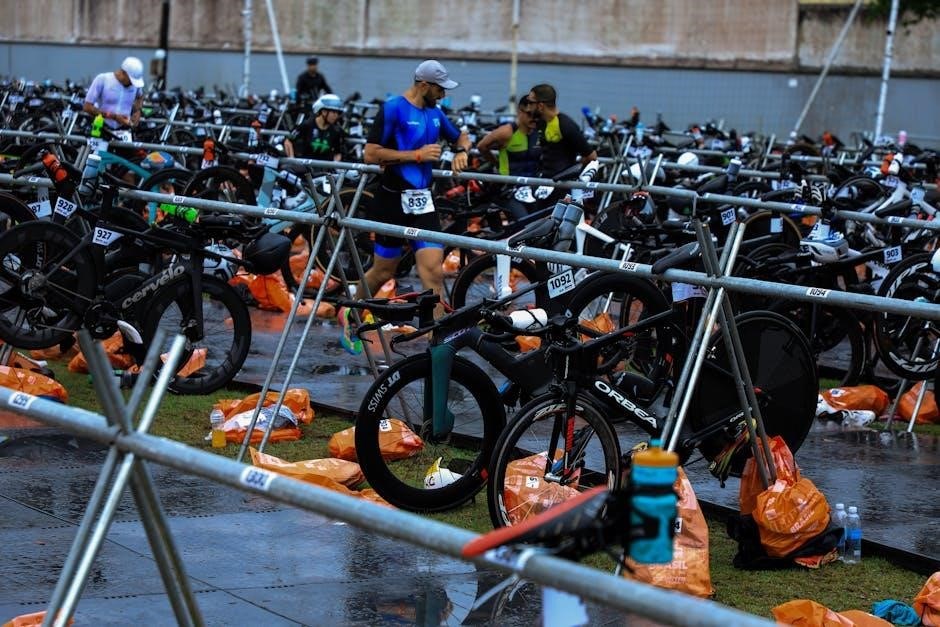
Swim Training
Consistent 2-3k sessions are vital, focusing on stroke efficiency and lactate threshold work, especially crucial for a potential non-wetsuit swim race day․
Building Swim Endurance: 2-3k Sessions
Consistent 2-3 kilometer swim sessions are paramount for Half Ironman preparation․ These aren’t simply about distance; they build the specific endurance needed for open water conditions․ Focus should be on maintaining pace and technique throughout the entire session, simulating race-day fatigue․ Incorporate varied sets – continuous swims, interval training, and drills – to challenge different energy systems; Prioritize form over speed initially, gradually increasing intensity as endurance improves․ Remember, a strong swim foundation minimizes energy expenditure, preserving valuable reserves for the bike and run legs․ Regular practice builds confidence and reduces anxiety in open water․
Stroke Efficiency and Threshold Work
Beyond distance, maximizing stroke efficiency is vital, especially for a potential non-wetsuit swim․ Focus on drills that improve body position, catch, and pull-through․ Threshold work – swimming at your lactate threshold pace – increases your sustainable speed․ These sets should be challenging but maintainable for extended periods․ Regularly assess your pace and adjust accordingly․ A strong lactate threshold in the water translates to sustained effort during the race․ Don’t neglect technique; even small improvements can yield significant gains in efficiency and reduce energy waste, crucial for a long-distance event․
Non-Wetsuit Swim Preparation
Preparing for a non-wetsuit swim is paramount, demanding specific training adaptations․ Buoyancy decreases significantly without a wetsuit, requiring increased core strength and a streamlined body position․ Practice open water swims without a wetsuit frequently to acclimate to the feel and adjust your technique․ Focus on maintaining a high stroke rate and efficient breathing․ Simulate race conditions, including sighting and navigating․ Building confidence in open water without assistance is key․ Remember, your lactate threshold in the water is even more critical without the wetsuit’s buoyancy aid․

Bike Training
The bike leg demands substantial endurance․ Prioritize Zone 2 aerobic base building to enhance fat oxidation, crucial for sustaining effort over the 2․5-3 hour ride․
Aerobic Base Building (Zone 2) & Fat Oxidation
Establishing a robust aerobic base is paramount for Half Ironman success․ Zone 2 training, performed at a comfortably hard effort, focuses on improving your body’s ability to utilize fat as a primary fuel source․ This is critical because glycogen stores are limited, and relying solely on them during the 56-mile bike leg will lead to premature fatigue․
Consistent Zone 2 rides increase mitochondrial density within muscle cells, enhancing their capacity for aerobic metabolism․ Aim for long, steady-state rides where you can comfortably hold a conversation․ This isn’t about speed; it’s about duration and efficiency, preparing your body to sustain effort for extended periods․
FTP Development & Sustained Effort
Once a solid aerobic base is established, focus shifts to Functional Threshold Power (FTP) development․ FTP represents the highest power you can sustain for approximately one hour․ Improving your FTP directly translates to a faster bike split․ Incorporate interval training sessions – repeated efforts at or slightly above FTP – with recovery periods in between․
These intervals stress your physiological systems, forcing adaptation and increasing your sustainable power output․ The goal isn’t just peak power, but the ability to hold 70-75% of your FTP for the 2․5-3 hour bike leg, conserving glycogen and preventing a catastrophic late-race fade․
Nutrition on the Bike: 60-90g Carbs/Hour
Sustaining energy levels during the 2․5-3 hour bike leg demands a strategic nutrition plan; Aim for 60-90 grams of carbohydrates per hour, a significant increase from typical training rides․ This fuels muscle glycogen stores and prevents depletion, crucial for a strong run transition․
Experiment with different carbohydrate sources – gels, chews, sports drinks – and glucose/fructose ratios to optimize absorption and minimize gastrointestinal distress․ “Gut training” is vital; your intestines need to adapt to processing this volume of carbohydrates at race intensity․ Practice this fueling strategy during long training rides!
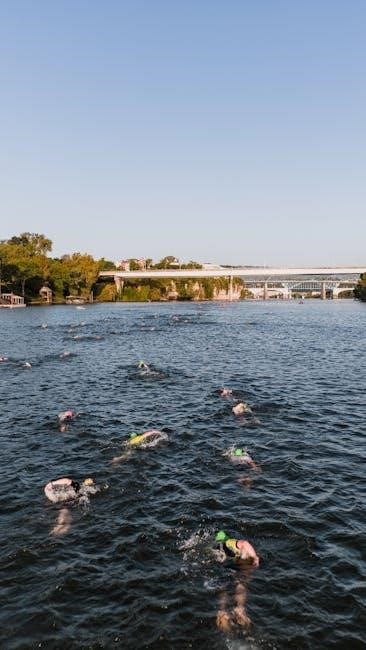
Run Training
Focus on neuromuscular adaptation with brick workouts, given your existing running base․ Prioritize swim and bike training, dedicating 70% of your time to those disciplines․

Brick Workouts: Neuromuscular Adaptation
Brick workouts are paramount for 70․3 success, simulating the race-day transition from bike to run․ Your body must adapt to running with already depleted glycogen stores and accumulated lactate․ These sessions aren’t about pace; they’re about teaching your muscles to fire efficiently under fatigue․ Begin with shorter bike legs followed by runs, gradually increasing duration․ Focus on maintaining good form even when tired․ Neuromuscular adaptation is key – your body learns to recruit the correct muscle fibers when compromised․ Don’t neglect these; they’re a limiter for many athletes․
Avoiding Overtraining (Leveraging Existing Running Base)
Your marathon background provides a significant advantage; you’ve already built a robust aerobic engine and mitochondrial density․ Avoid the temptation to overemphasize running in your 70․3 plan․ Focus 70% of your training volume on swim and bike, as these are likely your limiters․ Progressive overload is vital, but monitor training stress balance (TSB) to prevent constant fatigue․ Utilize Chronic Training Load (CTL) and Acute Training Load (ATL) metrics to identify potential overtraining․ Prioritize recovery weeks for supercompensation, allowing your body to adapt and rebuild․
Focus on 70% of Training Time on Swim & Bike
Given your established running base, strategically allocate 70% of your training hours to swimming and cycling․ These disciplines likely present the greatest opportunities for improvement․ The run, while important, shouldn’t be overtrained․ Prioritize consistent 2-3k swim sessions and building aerobic capacity on the bike through Zone 2 work․ This approach maximizes gains where they’re most needed, preventing burnout and injury․ Remember, neuromuscular adaptation during brick workouts is key for a strong run off the bike․

Recovery and Injury Prevention
Prioritize recovery weeks for supercompensation and monitor training stress balance (TSB)․ Analyzing chronic (CTL) versus acute (ATL) training load helps avoid overtraining syndrome․
Importance of Recovery Weeks (Supercompensation)
Recovery weeks are non-negotiable components of a successful Half Ironman training plan․ These periods of reduced volume and intensity, typically implemented every fourth week, aren’t about losing fitness; they’re about gaining it․ The principle behind this is supercompensation – your body adapts to the stress of training during the harder blocks, then rebuilds stronger during recovery․
Without adequate recovery, you risk chronic fatigue, increased injury risk, and plateauing performance․ A recovery week allows your muscles to repair, glycogen stores to replenish, and your nervous system to downregulate, preparing you to handle the next block of training with renewed vigor․ Ignoring this crucial element undermines the entire process․
Monitoring Training Stress Balance (TSB)
Training Stress Balance (TSB) is a key metric for avoiding overtraining and maximizing adaptation․ It represents the difference between your acute training load (ATL – stress from the last 7 days) and your chronic training load (CTL – average stress over 42 days)․ A negative TSB indicates fatigue, while a positive TSB suggests you’re adapting and becoming fitter․
Platforms like TrainingPeaks automatically calculate TSB․ The goal isn’t to constantly maintain a high positive TSB, but to strategically manipulate it – building stress, then allowing for recovery to create a positive shift․ Monitoring TSB helps you proactively adjust your training, preventing burnout and ensuring peak performance on race day․
Chronic Training Load (CTL) vs․ Acute Training Load (ATL)
Understanding the relationship between Chronic Training Load (CTL) and Acute Training Load (ATL) is vital for effective training․ CTL represents your average training stress over a 42-day period, reflecting your overall fitness․ ATL measures training stress from the past 7 days, indicating your current workload․
TrainingPeaks calculates both․ A large gap between ATL and CTL suggests rapid increases in training, potentially leading to overtraining․ A smaller gap indicates a more gradual progression․ Managing this balance – strategically increasing ATL while building CTL – is crucial for sustained improvement and avoiding injury during your Half Ironman preparation․

Nutrition and Hydration
Fueling is paramount for success․ Practice race-day nutrition, aiming for 60-90g carbs/hour on the bike, and prioritize gut training for optimal absorption․
Race Day Fueling Strategy (Glucose/Fructose Ratios)
Optimizing carbohydrate intake during a Half Ironman is critical for sustained energy․ Aim for 60-90 grams of carbohydrates per hour on the bike, but absorption rates vary․ Experimenting with glucose to fructose ratios is key; a mix often surpasses pure glucose tolerance․ Fructose utilizes a different transporter in the gut, potentially maximizing intake․
Consider a 2:1 glucose to fructose ratio as a starting point, adjusting based on individual tolerance and minimizing gastrointestinal distress․ Practice this fueling strategy extensively during training to ensure your gut can handle the load on race day․ Proper hydration is also essential for carbohydrate absorption․
Gut Training (Intestinal Permeability)
Endurance events like Half Ironmans significantly stress the digestive system․ “Gut training” involves preparing your intestines to handle high carbohydrate intake during prolonged exercise․ This minimizes intestinal permeability – often called “leaky gut” – where undigested particles enter the bloodstream, causing distress․
Gradually increase carbohydrate consumption during long training sessions, mimicking race-day fueling․ Incorporate foods that support gut health, like probiotics and prebiotics․ Consistent practice builds tolerance and improves nutrient absorption, reducing the risk of GI issues that can derail your race․

Utilizing Training Tools & Technology
Leverage platforms like TrainingPeaks for periodization and data analysis․ Syncing with other devices provides valuable insights, helping prevent overtraining and optimize performance․
Benefits of TrainingPeaks (Periodization & Data Analysis)
TrainingPeaks offers a robust platform for structuring your Half Ironman preparation․ Its key strength lies in periodization, breaking down your 8-month plan into manageable, progressive blocks – typically 3-4 week cycles culminating in recovery weeks for supercompensation․ Beyond scheduling, it excels at data analysis, meticulously tracking Chronic Training Load (CTL) versus Acute Training Load (ATL)․
This comparison is vital for identifying potential overtraining before it manifests as injury or fatigue․ TrainingPeaks calculates Training Stress Balance (TSB), guiding adjustments to your workload․ Furthermore, it adapts to your performance, unlike generic templates, and accounts for life stressors impacting recovery․ It’s a powerful tool for informed training․
Syncing with Other Platforms
TrainingPeaks doesn’t operate in isolation; its strength is enhanced by seamless integration with a wide array of fitness devices and applications․ This connectivity allows for automatic data uploads from Garmin, Suunto, and other popular GPS watches, eliminating manual entry and ensuring accurate tracking of workouts․
Furthermore, it syncs with power meters, heart rate monitors, and even nutrition tracking apps, providing a holistic view of your training and recovery․ This interoperability streamlines your workflow, centralizing all your performance data within a single, accessible platform for comprehensive analysis and informed adjustments to your Half Ironman plan․